Essential Skills Every Softball Player Should Master
Softball players step onto the field with quick feet, sharp skills, and lots of heart. The line between good players and great ones seems tiny but shines through in the smooth plays that happen without thinking when the game gets tough. Nailing important skills builds a strong foundation that keeps players going through long seasons and high-stress moments. This guide offers practical tips and drills to improve practice instantly. Discover the secrets that can take your game from ordinary to unforgettable. Keep going to find out how to stand out and win big.
Across defense at the ball the throw during a rundown the swing with runners on base and the mental edge that helps you stay calm when the crowd grows loud progress comes from deliberate practice. You will find concrete tips drill ideas and real world examples that show how small refinements translate into more outs cleaner plays and more consistent contact. The goal is clear actionable guidance that teammates can adopt and coaches can implement with players at any level
Whether you play shortstop in a tight league or pitch in travel ball the approach is the same. Build a plan that touches every facet of the game and commit to steady work. The next sections break down each area with practical drills you can perform with minimal equipment and with teammates or a partner. Start with one small change this week and let it compound into bigger gains over time
Foundational athletic skills for softball success
Stamina and endurance
Endurance fuels longer plays and keeps technique clean late in games. Aim for 2 to 3 cardio sessions each week along with light on field conditioning after practices. A simple progression works well
- Alternate interval runs where you jog for 1 minute then sprint for 30 seconds
- Include short shuttle drills that mirror on field movements such as sprint and backpedal in tight spaces
- Finish with a 5 to 10 minute cool down stretch to help recovery
Foot speed and agility
Quick feet and sharp change of direction are a must for fielding and base running. Use a few targeted drills to sharpen coordination and reaction time
- Set up a ladder or mark 4 to 6 squares with chalk and run through each pattern
- Perform cone shuffles with short breaks to simulate rapid side to side moves
- Finish with a burst drill where you sprint to a line then decelerate under control
Experts note that players who maintain a steady conditioning routine report higher confidence on both defense and offense. A solid base of cardiovascular fitness makes quick hands and accurate decisions feel more natural when pressure rises
Ball handling and fielding technique
Glove work and grounders
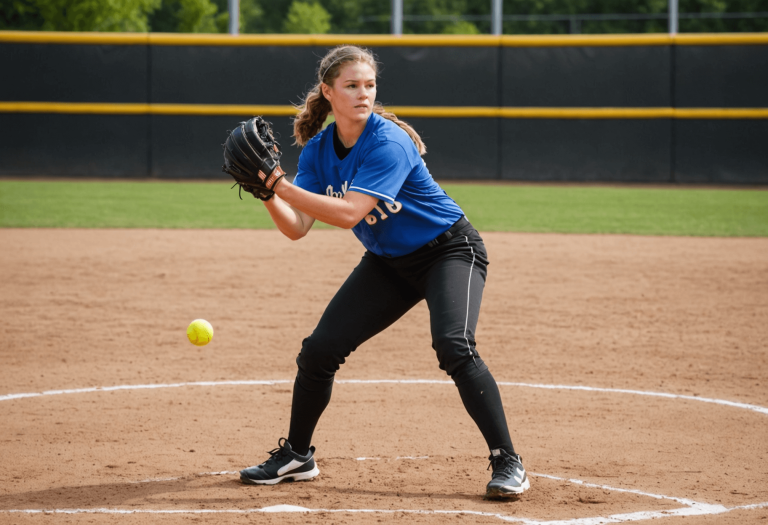
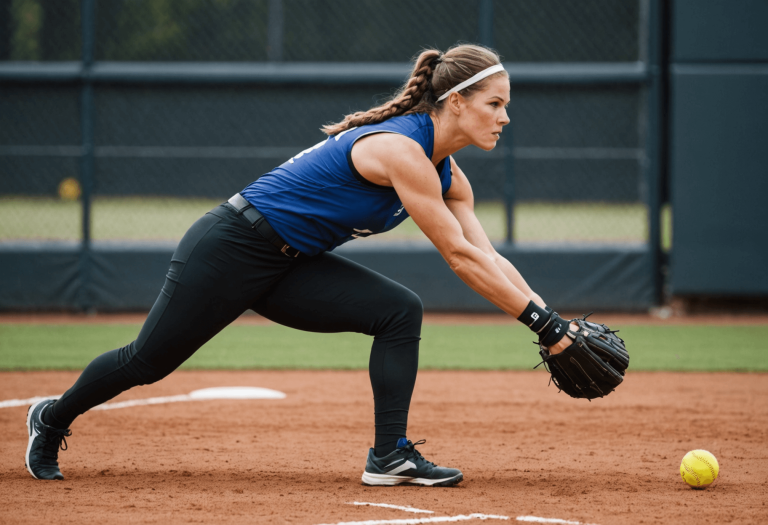
Ground balls demand a low center of gravity and a quick, controlled catch. Start with a simple routine to ingrain the proper habit
- Adopt a ready stance with glove on the ground and your eyes tracking the ball from toss to glove
- Use short hops during fielding to stay compact and ready to move
- Practice two glove positions one for forehands and another for backhands to handle any bounce
Tracking flies and making clean receptions
Tracking high and deep throws builds confidence under pressure. Focus on hands and body control as the ball comes in
- Practice catching high fly balls with your feet in place then gradually move to wider angles
- Work on throwing after the catch to develop smooth transitions from field to throw
- Incorporate partner tosses that vary height and speed to simulate game scenarios
Playing catch and fielding drills that emphasize technique reduce errors and create more outs. Coaches often see a noticeable decrease in mis plays when players keep eyes on the ball and maintain a calm, anchored stance
Throwing mechanics that translate to trust on the field
Grip stance and arm path
A solid throw comes from a reliable grip and a clean arc through the ball. Keep the throwing hand relaxed until release and use the body to drive the throw
- Grip with the seam to create a stable release path
- Position feet to align the crown of the chest toward the target
- Lead with the hip and let the elbow stay level until release
Footwork and target practice
Footwork is the bridge between fielding and throwing. Good feet set up accurate throws and reduce fatigue in late innings
- Practice pivoting on the back foot while shifting weight to the front foot
- Throw from different angles to develop accuracy on the move
- Use a target belt or plate to reinforce consistent aim
Throwing with steadiness improves game flow and raises trust from teammates. When the throw path is smooth and predictable coverage becomes more reliable and game tempo stays high
Batting posture and contact discipline
Stance and balance
Balance sets the stage for a repeatable swing. A stable stance helps you stay through the ball and reduce off line contact
- Keep feet shoulder width apart and distribute weight evenly
- Relax hands at the back shoulder and keep the bat on a short, direct path
- Maintain a quiet upper body to minimize movement before the pitch
Hands inside the ball and swing plane
Hitting firmly requires controlling the swing plane and getting hands inside the ball. This leads to cleaner lines and better contact
- Focus on keeping hands close to the body during the swing
- Rotate hips first then drive hands through the zone
- Track the ball from the pitcher to the contact point and adjust timing as needed
Consistent contact improves with a deliberate approach that emphasizes balance and quick hands. Many players notice more solid hits and fewer weak foul balls when they refine their stance and keep a compact swing
Situational awareness and decision making
Reading the play
Situation awareness lets you react with purpose. Understanding where runners are what the defense is showing and where the ball is most likely to go helps you decide quickly
- Scan the field early and watch the pitcher for patterns before the ball leaves her hand
- Callouts with teammates can reduce confusion on fast plays
- Practice reads during scrimmages by alternating fielding positions to simulate different looks
Base running decisions under pressure
Smart base running turns the momentum in your favor. Know when to push and when to hold and how to read the ball in play
- Establish a quick first step off the bag and practice reading the catcher and pitcher movements
- Develop a note system with signs from coaches about when to take chances
- Practice slide technique to stay safe and avoid being tagged
Real game decisions rely on quick recognition and clear communication with teammates. Teams that drill reads and base running in practice see smoother, faster decisions when the game speed rises
Mental game and practice structure
Pre game routines that build focus
A strong mental approach reduces nerves and keeps you in the moment. A simple routine can set tone for success
- Begin with a light warm up and timing to align with the pitcher
- Go through a short visualization of the key plays you expect to face
- Use a consistent warm up pattern for fielding throwing and hitting
Recovery and constant improvement
Recovery is a part of progress. Consistent rest and smart loading help you stay healthy and ready for the next challenge
- End each session with a cool down and mobility work
- Keep a simple journal noting what felt smooth and what needs work
- Set small weekly goals that feed into bigger season targets
Teams that emphasize the mental side alongside physical drills tend to maintain confidence through rough stretches and bounce back faster after tough games
Putting it into action and tracking progress
To turn these ideas into results commit to a focused plan. Start by selecting one drill from each area and schedule a six week cycle. Record what you try, how it feels, and what changes you notice in game day performance
- Week 1 choose a primary drill from each section and practice 3 times
- Week 2 add a second drill from two sections and increase intensity modestly
- Week 3 through Week 6 maintain the core drills while gradually adding variation
Invite feedback from a coach or teammate and use it to refine technique. The more you measure progress the more aware you become of your own strengths and the areas needing attention
Conclusion
Developing the essential skills every softball player should learn is not about chasing perfection in a single day. It is about building a practical toolkit that you can rely on during a game when the crowd roars and the scoreboard is tight. Start with a plan that covers the basics from athletic readiness to ball handling to mental preparation and game awareness. By integrating focused drills into your weekly routine you will notice you move with more confidence and react with clearer intent
Take action now by choosing one area from each of the six sections and design a short practice sequence you can run this week. Keep a simple log that notes what you tried what felt solid and what still needs work. After six weeks review your progress with a coach or teammate and adjust the plan based on results. The path to consistent performance lies in repetition and smart reflection not in a single perfect drill. Make this week the start of a steady journey toward sharper fielding more accurate throwing and tougher at bats. Your future self will thank you for the steady effort and the clear choices you made today
If you want more guidance consider pairing up with a fellow player or joining a local clinic where you can get hands on feedback. The combination of practical drills and constructive critique accelerates improvement and helps you build confidence that translates to every inning you play. Ready to see the numbers rise on the scoreboard and feel more secure in every action on the field