Softball Fielding Tips for Every Position
Softball defense boils down to one big thing: players must be sure of themselves and move with clear intent. When the team works together like a smooth engine from the first pitch to the last out, everything just clicks. This guide shows how to turn practice drills into game wins for every position. Learn how to predict hitters’ moves, stay steady on your feet, and grab tough balls when it really matters. Building solid habits makes catching outs feel natural and cuts mistakes, so bouncing back happens fast. To lock in steady defense all season, start with a plan that covers every spot, not just one. Whether infield or outfield, defense depends on trust and sharp talking. Knowing what teammates will do helps pull off slick plays and smooth throws. Experienced players know steady, smart defense beats flashy moves every time. Dive into these tips to sharpen fielding skills and drive the whole team closer to victory.
Across youth clubs and higher level programs coaches say a strong fielding plan is tied to outs saved per game. Teams that reduce avoidable misplays and keep routine plays flowing often see a drop in earned runs and a rise in confidence on the field. You will get drills that build repeatable footwork and glove work while also sharpening your reads and communication. This is a practical blueprint you can tailor to your roster with simple gear like a glove, a ball bucket, and a chalk line for drills.
Infield defense fundamentals for quick hands and clean transfers
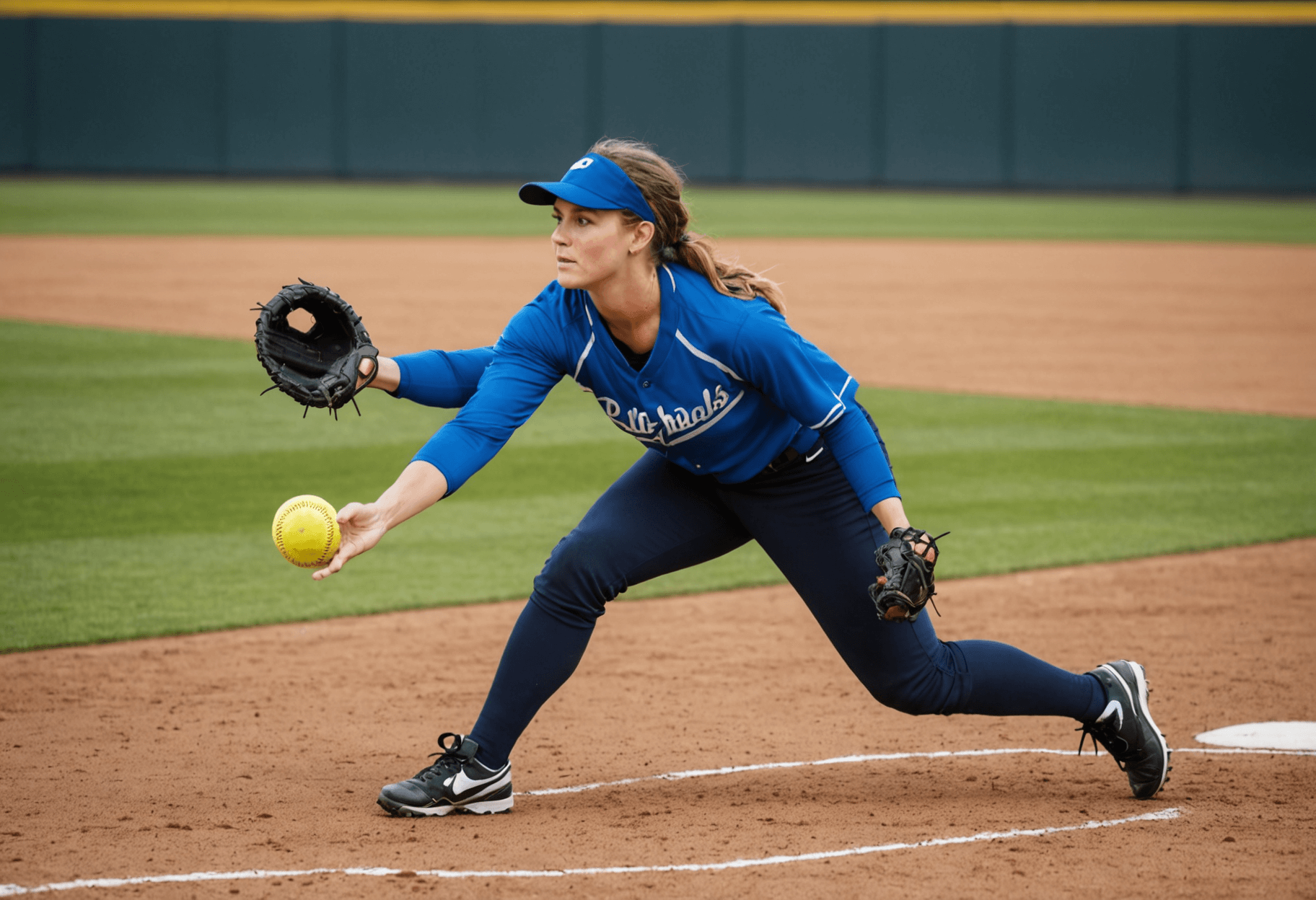
Infield plays demand quick hands, precise glove work, and fast transitions from glove to throwing hand. If you can corral grounders cleanly and get the ball into a teammate’s hands without hesitation you create a chain of outs that is hard to break. Use these steps to build a reliable infield routine you can repeat every practice session.
- Adopt a compact ready stance with your weight on the ball of the feet, knees bent, and chest over the knees. This stance lets you react to line drives and grounders without losing balance.
- Field with two hands and catch the ball in the pocket of the glove. Keep the throwing hand ready near the glove for a smooth transfer.
- Approach the ball on the correct angle step toward the ball so your glove frames the grounder and lines up your throwing shoulder with the target.
- Transfer quickly plant the front foot, rotate the hips, and move the glove into the throwing hand in one seamless motion.
- Get the ball out fast on routine plays by using a short, quick throw rather than trying to make a long flash of speed on every ball.
Proper glove presentation for grounders
On grounders the glove should present a stable pocket toward the ball. Keep the elbow tucked and the glove knee height to avoid overreaching. A clean pocket reduces the chance of the ball popping out and speeds up transfers to the throwing hand. Practice the standard fielding arc so the glove meets the ball softly and the ball sits securely in the pocket before it is scooped and released.
Transfer drills to improve speed
Try a simple drill sequence that mirrors game action. Start with a coach rolling a ball to your side and pick it up with two hands then transfer to a quick throw to a target. Do three rounds on each side and focus on moving the feet before the hands so your shoulders stay square to the target. Time your transfers with a stopwatch and aim to improve your hand speed by short increments each week.
Outfield coverage and tracking for fly balls
Outfield defense hinges on reading where the ball will land, getting in position quickly, and tracking the flight of the ball as wind and other factors shift the path. A well rounded outfielder makes difficult plays look routine by using a steady routine for positioning, movement, and communication. Here are the keys you can apply to everyday practice and games.
- Position with intent study the batter and anticipate contact. If a hitter has a tendencies report or scouting notes use that to align with the lane of the ball.
- Track the ball from the cue watch the ball as soon as it leaves the bat and keep it in your field of view until you catch the ball or decide to call it off a teammate with a shout.
- Use efficient routes a straight line or slight arc toward the ball minimizes wasted steps and keeps you in rhythm for a quick throw.
- Communicate relays call out the fielder in line and the cut off man to avoid two players converging and colliding on the ball.
Reading line drives and wind
Wind can push a ball off its expected path especially in open fields. For line drives start with a low sprint and then lift into a track that keeps your eyes on the ball. If you see the ball tail toward the fence adjust your route early so you can catch it with one sure step. In practice line drives off the bat can be used to train your anticipation and reduce late moves that lead to misplays.
Angle and positioning for efficient relays
When the ball is hit toward the gaps or through the infield you want to set up to throw to a base with your momentum moving forward. This keeps your throws on target and gives your teammate more time to get the ball to the relay. In practice set up cones to indicate the optimal angle for different hits and run through the sequence several times until you can reproduce the motion without thinking.
Throwing mechanics that save runs across the field
Throwing is the bridge between fielding and scoring. Accurately delivering the ball to the right base cuts down on safe plays by the offense and gives your pitcher more chances to work. The throwing motion should be repeatable and efficient across all positions. These pointers help players at every level deliver crisp throws when it matters most.
- Grip and stance on the throw should be natural and comfortable. Hold the ball with the fingertips and avoid a grip that makes the ball slip at release.
- Body alignment square to the target and hips and shoulders pointing in the direction of the throw create a clean transfer from glove to hand to arm.
- Short arming to quicken the release when the situation requires a fast play to get an out or prevent a runner from advancing.
- Practice long toss to build overall arm strength and maintain accurate throws at longer distances. Use a moderate arc rather than a high lob when the runner is close to the base.
Quick transfer and accuracy to bases
For fast outs the transfer must be seamless. A drill that helps is to set up a target at second and practice getting the ball there from different angles. Start with soft throws to a partner who acts as the base and then progress to live feeds from a coach. The key is to keep the throw smooth and direct with minimal wasted motion.
Stance and setup to improve fielding readiness
Every great fielder begins with a solid setup. A good stance gives you balance, allows you to react to the ball, and makes transitions smooth. In this section you will learn how to tailor your ready position to different ball types and field conditions so you are prepared for any play.
- Ready position basics feet shoulder width apart, weight slightly forward, hands in front ready to move. This stance enables quick direction changes whether the ball is hit to your left or right.
- Adjust for the ball surface damp grass or dirt changes the bounce. Keep the glove low and scoop the ball on the front edge of the glove for better control.
Ready stance for different ball types
Grounders, line drives, and pop ups demand small adjustments. For grounders keep the glove close to the ground so you can scoop quickly. For line drives and pop ups position yourself a bit more upright to read the ball off the bat while still staying under control. Practice these scenarios in separate drills so you can switch quickly when the real thing happens.
Mental game and communication for seamless defense
Defense is not only physical it is mental. Smart communication and a calm approach reduce errors and keep everyone aligned. The mind helps you stay focused on the ball as it leaves the bat and on where your teammates are positioned. The best teams use clear calls and rehearsed routines to minimize hesitation during big moments.
- Call out plays when you are going to catch a ball or when you want a teammate to take it. Simple phrases reduce confusion and help players move as a unit.
- Pre pitch routine establish a quick checklist that keeps you ready between pitches. A brief reset to settle your feet and eyes helps you stay engaged on every ball.
Calling for catches and mis play management
When a mis play occurs the team reacts better if players stay calm and communicate clearly. A quick, calm call indicating who will take the next ball helps prevent extra base hits and avoids a scramble in the outfield. Use short phrases and keep the tone positive even after errors so the defense can recover quickly.
Practice structure with position specific drills
A predictable practice routine builds a reliable defense. Incorporate drills that target different positions while maintaining a shared focus on the team goal. When practice includes position specific variety you expose players to different reads and bounce patterns, which translates to better fielding in games. Here are drills you can mix into a weekly plan.
- Ground ball progression start with soft tosses and gradually increase speed. Add shuffle steps and glove flips to simulate game pace.
- Pop up read and catch practice with balls hit high and behind you so you learn how to track and judge the ball at the last moment.
- Relay and cut off work with infielders and outfielders practicing the sequence for fast outs on balls through the gap and into the corner.
In addition to these drills you can use a simple counting method to measure progress. Track how many routine plays you convert to catches and how many you boot in a week. A steady improvement over several practices signals a stronger defense. Experts note that consistent fielding development often correlates with more outs through the middle innings and fewer scoring chances for opponents. Small, repeatable gains accumulate into a more confident team performance over the course of a season.
Putting it all together for every position
The strongest defenses treat fielding as a shared mission rather than a set of isolated tasks. When players at every position work from a shared playbook the team flows more smoothly through each inning. You should be able to adapt the tips above to your roster whether you are in the infield or outfield. Engineering a routine that makes sense for your level and your field is the fastest way to see practical gains in the box score and the confidence on the field.
As you implement these strategies keep a few practical reminders in mind. First, balance is the foundation. If you are off balance you will misplay even easy balls. Second, keep your eye on the ball from the moment it leaves the bat until it is in your glove. Third, communication saves you time and keeps teammates ready for the next play. Finally, build a simple practice playlist that includes glove work, footwork drills, transfers, and throw repetitions so you cover the essential actions you will face in a game.
With steady work and purposeful routines you can improve your fielding across all positions. You will notice more routine outs, fewer errors, and a stronger team vibe that carries through tight situations. A solid defense reduces pressure on your pitchers and creates more opportunities to win. Your fielding can be a defining factor in games and a source of pride for your team. The time to start is now with a plan you can follow and coaches who will support your progress
Now is the moment to take action. Pick one or two drills from this guide and implement them in your next practice. Track your results over the coming weeks and adjust your approach as needed. Share your progress with teammates and your coach and invite others to contribute their best habits. If you want more detailed drills tailored to your age group and skill level, consider a focused practice plan that targets your roster. Commit to improving every throw, every catch, and every call and you will see a noticeable lift in team defense. Ready to take the next step